Appalachian Englishes in the Twenty-First Century

Edited by Kirk Hazen

September 2020
240pp
PB 978-1-949199-55-0
$29.99
eBook 978-1-949199-56-7
$29.99

Appalachian Englishes in the Twenty-First Century


Summary

Appalachian Englishes in the Twenty-First Century provides a complete exploration of English in Appalachia for a broad audience of scholars and educators. Starting from the premise that just as there is no single Appalachia, there is no single Appalachian dialect, this essay collection brings together wide-ranging perspectives on language variation in the region. Contributors from the fields of linguistics, education, and folklore debunk myths about the dialect’s ancient origins, examine subregional and ethnic differences, and consider the relationships between language and identity—individual and collective—in a variety of settings, including schools. They are attentive to the full range of linguistic expression, from everyday spoken grammar to subversive Dale Earnhardt memes.

A portal to the language scholarship of the last thirty years, Appalachian Englishes in the Twenty-First Century translates state-of-the-art research for a nonspecialist audience, while setting the agenda for further study of language in one of America’s most recognized regions.

Contents

Foreword by Donna Christian
Preface

Part I. Linguistic and Regional Boundaries

1. Just What and Where Are Appalachian Englishes?
J. Daniel Hasty

2. Phonological Possibilities in Appalachian Englishes
Paul E. Reed

3. Grammar across Appalachia
Kirk Hazen

Part II. Language in Society

4. Discourse in Appalachia
Allison Burkette

5. Identity and Representation in Appalachia: Perceptions in and of Appalachia, Its People, and Its Languages
Jennifer Cramer

6. Language, Gender, and Sexuality in Appalachia
Christine Mallinson and J. Inscoe

7. Language and Ethnicity in Appalachia
Becky Childs

Part III. Language in the Wider World

8. Redneck Memes as an Appalachian Reclamation of Vernacular Authority, Language, and Identity
Jordan Lovejoy

9. Intersections of Literature and Dialect in Appalachia
Isabelle Shepherd and Kirk Hazen

10. Teachers and Teens Making Sense of Identity, Place, and Language in Appalachian Secondary Schools
Audra Slocum

11. Appalachian Englishes and the College Campus
Stephany Brett Dunstan and Audrey J. Jaeger

Afterword by Walt Wolfram

Contributors
Index

Editor

Kirk Hazen is professor of linguistics at West Virginia University, where he is the founding director of the West Virginia Dialect Project and a Benedum Distinguished Scholar in the Humanities. His research, teaching, and linguistic service are all centered on social and linguistic patterns of language variation. His most recent book is An Introduction to Language, and he is coeditor of Research Methods in Sociolinguistics.

Reviews

“A much-needed, cohesive, and well-written book.”
Mary Kohn, Kansas State University

“A useful guide . . . accessible for both linguists and non-linguists.”
Journal of Appalachian Studies

EmailFacebookInstagramPinterestTwitter

The Opioid Epidemic and US Culture: Expression, Art, and Politics in an Age of Addiction

The Opioid Epidemic and US Culture cover


Edited by Travis D. Stimeling

December 2020
300pp
PB 978-1-949199-71-0
$29.99
CL 978-1-949199-70-3
$99.99
eBook 978-1-949199-72-7
$29.99


The Opioid Epidemic and US Culture

Expression, Art, and Politics in an Age of Addiction

Summary

The Opioid Epidemic and US Culture brings a new set of perspectives to one of the most pressing contemporary topics in Appalachia and the nation as a whole. A project aimed both at challenging dehumanizing attitudes toward those caught in the opioid epidemic and at protesting the structural forces that have enabled it, this edited volume assembles a multidisciplinary community of scholars and practitioners to consider the ways that people have mobilized their creativity in response to the crisis. From the documentary The Wild and Wonderful Whites of West Virginia to the role of cough syrup in mumble rap, and from a graphic novel’s depiction of addiction to protests against the Sackler family’s art-world philanthropy, the essays here explore the intersections of expressive culture, addiction, and recovery.

Written for an audience of people working on the front lines of the opioid crisis, the book is essential reading for social workers, addiction counselors, halfway house managers, and people with opioid use disorder. It will also appeal to the community of scholars interested in understanding how aesthetics shape our engagement with critical social issues, particularly in the fields of literary and film criticism, museum studies, and ethnomusicology.

Contents

Introduction: The Opioid Crisis and Expressive Culture
Travis D. Stimeling

Part I. On the Outside Looking In: The Opioid Crisis from Without

1. “Something Too Pure / Is Killing Us”: Opioid-Addiction Porn, Endurance, and the Neoliberal Appropriation of Resilience
Jordan Lovejoy

2. “Snort Pills on My Head”: The Visual Rhetoric of Addiction, Abjection, and White Trash in The Wild and Wonderful Whites of West Virginia
Christopher Garland

3. The Pill: Aesthetics, Addiction, and Gender in Jennifer Weiner’s All Fall Down
Ashleigh Hardin

4. Prince, Tom Petty, and Pain: Projections of Authenticity in Popular Music
Leigh H. Edwards

5. “Maybe If I’d Stayed”: Appalachian Outmigration and Narratives of Loss in Nate May’s Dust in the Bottomland
Travis D. Stimeling

Part II. If You Lived Here: Representing the Opioid Epidemic from Within

6. Pretty Lil Azzie
Crystal Good

7. The Way the World Is: From Maggie Boylan
Michael Henson

8. Finding Maggie Boylan
Michael Henson

9. You Talkin’ about Me? Turning the Blood of Appalachia’s Opioid Epidemic into Ink
Jacqueline Yahn

10. Remediating the Opioid Crisis in Museums
Ethan Sharp

11. A Hole Is Not a Void: Extraction, Addiction, and Aesthetics
Jonas N. T. Becker

12. Narrative Engagement with the Opioid Epidemic: From Personal Story to Personal Reflection
Amanda M. Caleb and Susan McDonald

13. Recovering from Addiction in Sobriety: Narrating Disability/Mental Illness through the Medium of Comic Art
Tatiana Prorokova-Konrad

14. “Hey, Let’s Have a Very Good Time”: The Opioid Aesthetics of Post-Verbal Rap
Austin T. Richey

Part III. New Day Dawning: Recovery, Sobriety, and Post-Opioid Futures

15. Healing Open Wounds
Chelsea Jack

16. Pain Is One Dance Partner: Move with It
Anne Lloyd Willett

17. Images of Opioid Addiction, Recovery, and Privilege in Mainstream Hip Hop
Paige Zalman

18. The Voices of Hope—A Recovery Community Choir: Redefining Self, Community, and Success
Natalie Shaffer

Contributors
Index

Editor

Travis D. Stimeling is associate professor of musicology at West Virginia University, where he also directs the WVU Bluegrass and Old-Time Bands. His previous books include Cosmic Cowboys and New Hicks: The Countercultural Sounds of Austin’s Progressive Country Music Scene, The Country Music Reader, and two books with WVU Press: Fifty Cents and a Box Top: The Creative Life of Nashville Session Musician Charlie McCoy and Songwriting in Contemporary West Virginia: Profiles and Reflections.

Reviews

“A wholly unique and timely approach to understanding the ways that opioids have become entangled with the lives of users and of US culture at large, and a needed complement to public health, sociological, and criminological approaches to this particular problem.”
Travis Linnemann, author of Meth Wars: Police, Media, Power
 

EmailFacebookInstagramPinterestTwitter

Bluegrass Ambassadors: The McLain Family Band in Appalachia and the World
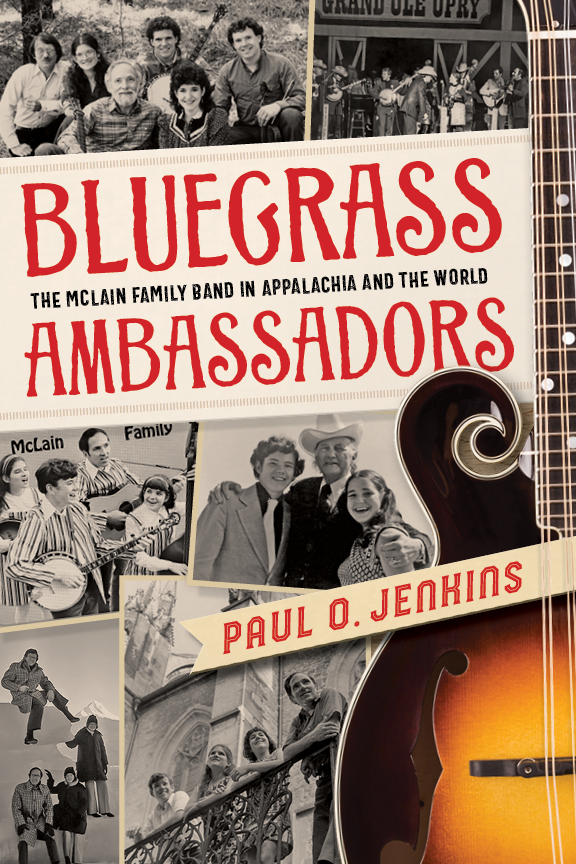

Bluegrass Ambassadors cover

Paul O. Jenkins

November 2020
288pp
PB  978-1-949199-68-0
$26.99
eBook  978-1-949199-69-7
$26.99

Sounding Appalachia Series


Bluegrass Ambassadors

The McLain Family Band in Appalachia and the World

Summary

Bluegrass Ambassadors is the first book-length study of the McLain Family Band, which has spread the gospel of bluegrass for more than fifty years. Rooted in bluegrass but also collaborating with classical composers and performing folk, jazz, gospel, and even marches, the band traveled to sixty-two foreign countries in the 1970s under the auspices of the State Department. The band’s verve and joyful approach to its art perfectly suited its ambassadorial role. After retiring as full-time performers, most members of the group became educators, with patriarch Raymond K. McLain’s work at Berea College playing a particularly important role in bringing bluegrass to the higher education curriculum.

Interpreting the band’s diverse repertoire as both a source of its popularity and a reason for its exclusion from the bluegrass pantheon, Paul Jenkins advances subtle arguments about genre, criticism, and audience. Bluegrass Ambassadors analyzes the McLains’ compositions, recordings, and performances, and features a complete discography.

Contents

Family Tree
Foreword
Preface
Acknowledgments

Introduction

1. Beginnings

2. Berea and Beyond

3. All in the Family

4. Going Classical

5. In the Studio

6. Rosemary’s Songs

7. On the Road

8. “My Name’s Music”

9. In the Classroom: The McLains as Educators

10. Celebrating Life and Fifty Years Together

Appendix A: Interpretations
Appendix B: Solo Recordings
Chronology
Discography
Notes
Bibliography              


Author

Paul O. Jenkins is the university librarian at Franklin Pierce University. He has written numerous articles on old-time and bluegrass music and is the author of Richard Dyer-Bennet: The Last Minstrel and Teaching the Beatles.

Reviews

“From humble beginnings in a small Appalachian hamlet to symphony stages around the world, the McLain Family Band has been a torchbearer for the music of America’s front porch. This is a story of a musical legacy, of passion and talent, of kind- ness and art wrapped in the magic of a family bond.”
Michael Johnathon, folk singer

“An excellent effort brimming with infectious joy.”
Library Journal
 

EmailFacebookInstagramPinterestTwitter

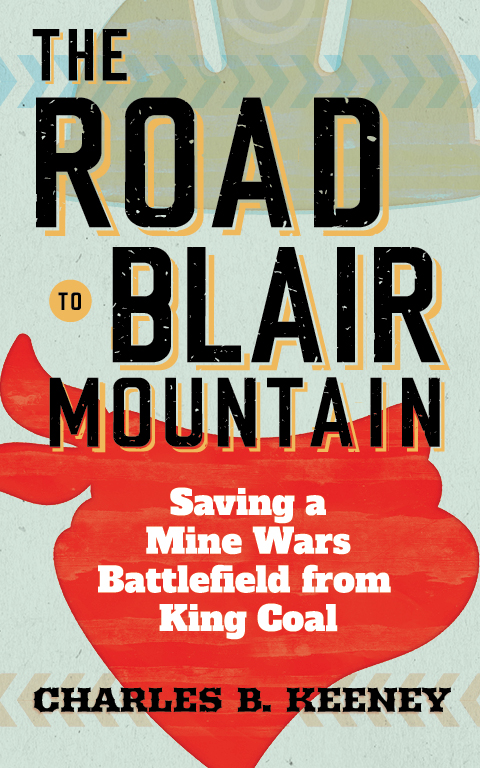
The Road to Blair Mountain: Saving a Mine Wars Battlefield from King Coal

The Road to Blair Mountain cover

The Road to Blair Mountain cover

Charles B. Keeney

January 2021
300pp
PB 978-1-949199-85-7
$27.99
CL 978-1-949199-84-0
$99.99
eBook 978-1-949199-86-4
$27.99


The Road to Blair Mountain

Saving a Mine Wars Battlefield from King Coal

Summary

In 1921 Blair Mountain in southern West Virginia was the site of the country’s bloodiest armed insurrection since the Civil War, a battle pitting miners led by Frank Keeney against agents of the coal barons intent on quashing organized labor. It was the largest labor uprising in US history. Ninety years later, the site became embroiled in a second struggle, as activists came together to fight the coal industry, state government, and the military-industrial complex in a successful effort to save the battlefield—sometimes dubbed “labor’s Gettysburg”—from destruction by mountaintop removal mining.

The Road to Blair Mountain is the moving and sometimes harrowing story of Charles Keeney’s fight to save this irreplaceable landscape. Beginning in 2011, Keeney—a historian and great-grandson of Frank Keeney—led a nine-year legal battle to secure the site’s placement on the National Register of Historic Places. His book tells a David-and-Goliath tale worthy of its own place in West Virginia history. A success story for historic preservation and environmentalism, it serves as an example of how rural, grassroots organizations can defeat the fossil fuel industry.

Contents

Preface

1. Fighting for a Battlefield

2. Marching into Blair

3. Camp Branch

4. The Northwest Flank

5. Identity Reclamation

6. The Long Road

Epilogue: Appalachian Anthropocene

Acknowledgments

Glossary

Notes

Index  

Author

Charles B. Keeney is an assistant professor of history at Southern West Virginia Community and Technical College. The author of two books, he served as president of Friends of Blair Mountain and was a founding member of the West Virginia Mine Wars Museum.

Reviews

“Chuck Keeney takes over where his great-grandfather left off a century ago—in a no-holds-barred fight against King Coal and its pursuit of profits over people. Keeney delivers a riveting and propulsive story about a nine-year battle to save sacred ground that was the site of the largest labor uprising in American history. You’ll find yourself rooting for Keeney from beginning to end. He unveils a powerful playbook on successful activism that will inspire countless others for generations to come.”
Eric Eyre, Pulitzer Prize winner and author of Death in Mud Lick: A Coal Country Fight against the Drug Companies That Delivered the Opioid Epidemic

“Fascinating. . . . Suspenseful to the very end.”
Daily Yonder

“This book connects to work on twentieth-century labor history, but it is more than that. It is an insider’s thoughts on regional identity and activism as well as a reassessment of how people see Appalachia in the popular mind. When Charles Keeney speaks directly to the reader and offers advice, it resonates in a powerful and present way.”
Steven E. Nash, East Tennessee State University

“Keeney brings a lifetime of scholarship, family relations, and activism to this twenty-first-century chapter of the epic and ongoing saga of Blair Mountain.”
Catherine Venable Moore, president, West Virginia Mine Wars Museum

“In total, The Road to Blair Mountain articulates a thoughtful alternative vision for Appalachia’s future—one that supports its heritage of coal mining and labor history and also seeks a more sustainable, diverse, and decentralized economy.”
Foreword Reviews


EmailFacebookInstagramPinterestTwitter

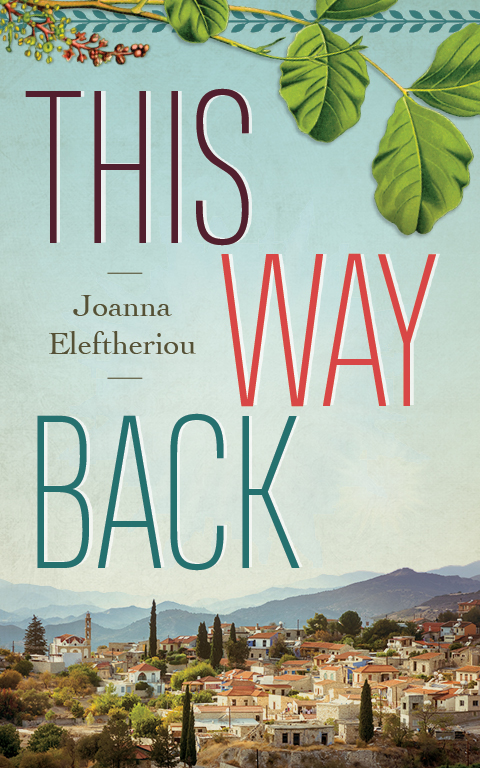
This Way Back

This Way Back


Joanna Eleftheriou

October 2020
264pp
PB 978-1-949199-66-6
$23.99
eBook 978-1-949199-67-3
$23.99

In Place Series

This Way Back


Summary

Going back to her ancestral homeland, a Greek American girl discovers she is a lesbian in love with God, so her questions about home and belonging will not be easily answered.

This Way Back dramatizes a childhood split between Queens, New York, and Cyprus, an island nation with a long colonial history and a culture to which Joanna Eleftheriou could never quite adjust. The book avows a Greek-Cypriot- American lesbian’s existence by documenting its scenes: reenacting an 1829 mass suicide by jumping off a school stage onto gym mats at St. Nicholas, harvesting carobs on ancestral land, purchasing UNESCO-protected lace, marching in the island’s first gay pride parade, visiting Cyprus’s occupied north against a dying father’s wish, and pruning geraniums, cypress trees, and jasmine after her father grew too weak to lift the shears. While the author’s life binds the essays in This Way Back into what reads like a memoir, the book questions memoir’s conventional boundaries between the individual and her community, and between political and personal loss, the human and the environment, and the living and the dead.

Contents

The Rope of Desires
Of Acacia and Maple
Your Schedule Depends on the Sky
The Actress Who Isn’t Acting
She and I
Ithacas
The Temple of Zeus
The Other Side
Wild Honey, Locust Beans
Unsent Letter to My Father
Shopping for Story
Dancing Greek
Out
Cyprus Pride
Inheritance Law
Without Goodbyes
Epilogue: Moonlight Elegy
Acknowledgments
Notes

Author

Joanna Eleftheriou is an assistant professor of English at Christopher Newport University. A contributing editor at Assay: A Journal of Nonfiction Studies, she grew up in New York and Cyprus and now lives in Virginia. Her essays, short stories, and translations have been widely published.

Reviews

“Intimate and a touch mournful, most powerfully so when the author writes about her sexuality. . . . These essays reveal an impassioned and hard-fought sense of self and place.”
Kirkus Reviews (starred review)

“The essays entice every sense. . . . Heartfelt and heartrending.”
Foreword Reviews

“Joanna Eleftheriou’s collection This Way Back offers a series of essays that both stand alone and form a larger narrative about immigration, bicultural identity, sexual orientation, and the pull of a landscape. These lovely and moving essays are nostalgic, complex, and thoughtful, with sentences you will underline and return to and that will sear you with their beauty.”
Sonya Huber, author of Pain Woman Takes Your Keys and Other Essays from a Nervous System

EmailFacebookInstagramPinterestTwitter

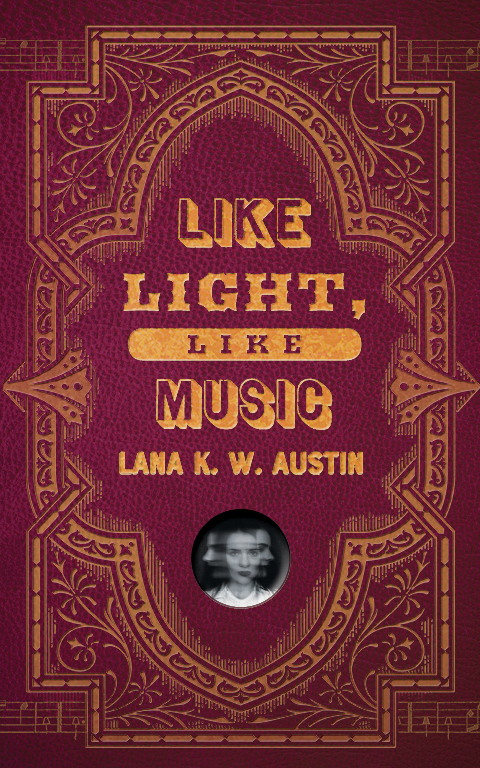
Like Light, Like Music

Like Light, Like Music

Lana W. K. Austin

August 2020
288pp
PB 978-1-949199-57-4
$21.99
eBook 978-1-949199-58-1
$21.99


Like Light, Like Music

A Novel


Summary

Emme McLean never imagined that in 1999 she would be living out the lyrics of the ancient murder ballads she grew up singing. But now Emme is back in Red River, Kentucky, using her skills as a journalist to prove her cousin did not kill her husband and to find out what is terrifying the town after many of its women went half-mad on the same night.

But to help her hometown’s haunted women, Emme must also face the things that haunt her, things she thought she had lost when she chose to move away: the majestic music of her family’s beloved hills and hollows, the mysterious old ways of her Appalachian kin, and the memory of her remarkable first love, Evan. Through it all, she must reckon with her magical “mountain gift”—is it real, or merely a unique synesthesia? And can she trust it to help heal her family and her town, a place still plagued by the social injustice that first drove her away? Can she trust it to help heal herself?

Author

Lana K. W. Austin teaches writing at the University of Alabama in Huntsville. Her writing has appeared in numerous literary journals. Winner of the 2019 Alabama State Poetry Society Book of the Year Award and the 2018 Words and Music Poetry Award, Austin has an MFA from George Mason University.

Reviews

Like Light, Like Music captures the way the past haunts us and shapes our reality. With the help of their ancestors, the resilient McLean women are determined to prove the innocence of one of their own. The pulse of this lyrical novel beats: Believe women. Believe women. Believe women.”
Savannah Sipple, author of WWJD and Other Poems

“Austin has written a highly original and captivating novel filled with the mountain music and lore she loves so much—haints, broonies, banshees, shades, and revenants share the stage with all the memorable real characters of Red River, Kentucky. Contemporary issues merge with a developing romance in this spellbinding story, truly a ballad itself.”
Lee Smith, author of The Last Girls and Guests on Earth

“This is a novel about the light of vision, and music in the blood. Emmeretta has the ‘mountain gift’ of synesthesia, and she sees with her ears as well as with memory and imagination. But Like Light, Like Music is also a mystery story about uncovering secrets of the past, of family bonds and family ghosts. It is about the pain at the heart of country music, and joy in the place the music comes from. It is a story of the complexity of family ties and romances, and of the way confronting painful truths can make us free. It is a ballad of a novel, both timely and timeless.”
Robert Morgan, author of Gap Creek and Chasing the North Star

Like Light, Like Music is a novel full of divergences that pursues the loves, lives, and lore of kith and kin. In it, a town’s haunting is a reason to delve into community’s stories—full of ‘despair merging with magnificence.’”
Foreword Review


EmailFacebookInstagramPinterestTwitter

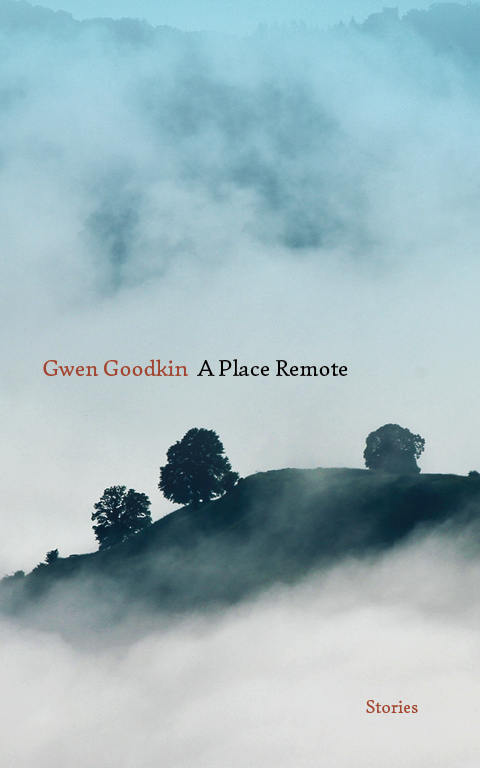
A Place Remote: Stories

A Place Remote

Gwen Goodkin

September 2020
180pp
PB 978-1-949199-61-1
$18.99
eBook 978-1-949199-62-8
$18.99


A Place Remote

Stories

Summary

From farm to factory, alcoholism to war wounds, friendship to betrayal, the stories in A Place Remote take us intimately into the hearts of people from all walks of life in a rural Ohio town. Whether they stay in their town or leave for distant places, these characters come to realize no one is immune to the fictions people tell others—and themselves—to survive.

In each of these ten stories, Gwen Goodkin forces her characters to face the dramatic events of life head-on—some events happen in a moment, while others are the fallout of years or decades of turning away. A boy is confronted by the cost of the family farm, an optometrist careens toward an explosive mental disaster, a mourning teen protects his sister, lifelong friends have an emotional confrontation over an heirloom, and a high school student travels to Germany to find his voice and, finally, a moment of long-awaited redemption.

Contents

Winnie
A Boy with Sense
How to Hold It All In
Just Les Is Fine
The Widow Complex
Last Chance
The Key
Waiver
As I Lay Living
A Month of Summer

Author

Gwen Goodkin’s stories and essays have been published in literary magazines throughout the United States and beyond. She holds an MFA in creative writing from the University of British Columbia and is the recipient of the Folio Editor’s Prize and the John Steinbeck Award for Fiction. Born and raised in Ohio, she now lives in Encinitas, California. Learn more at gwengoodkin.com.

Reviews

“Gwen Goodkin’s debut short story collection follows in the tradition of other meteoric writers like Jayne Anne Phillips, Mary Gaitskill, Lauren Groff, and so many before them, heralding a new, sui generis voice that promises so much to come.”
Rex Pickett, author of Sideways and The Archivist

“Some of the stories in A Place Remote resemble the strong and deep feeling of Sherwood Anderson’s collection Winesburg, Ohio that put the American heartland under a microscope in the early years of the last century. Other stories speak to the zany, contemporary world of the twenty-first century, in that same place. What makes Gwen Goodkin’s stories so important is that with wit and compassion they touch on the desire to return to the strong loyalty and its values that this America tugs us back to.”
Mark Jay Mirsky, editor of Fiction and professor of English, City College of New York

EmailFacebookInstagramPinterestTwitter

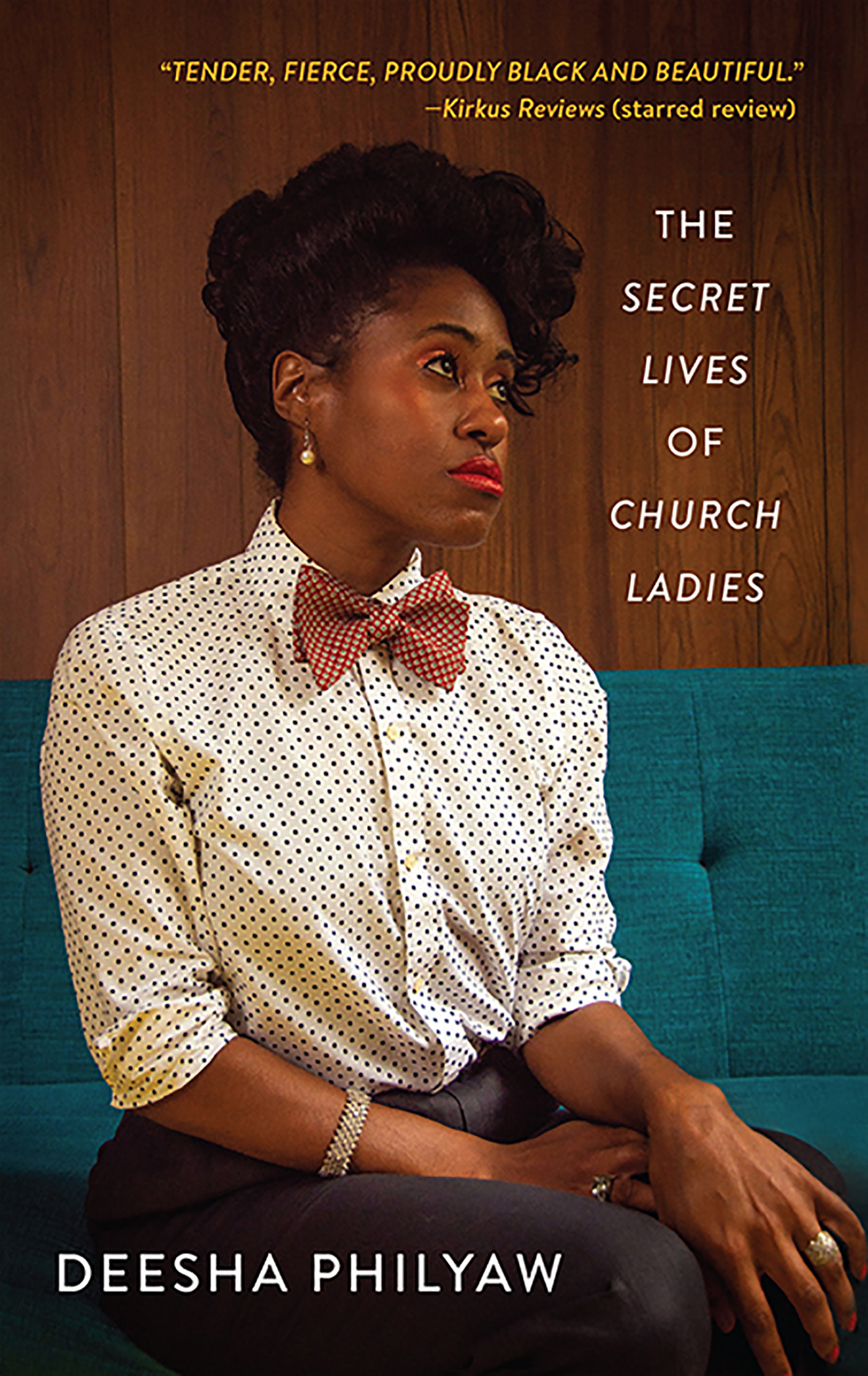
The Secret Lives of Church Ladies

The Secret Lives of Church Ladies cover


Deesha Philyaw

September 2020
192pp
PB 978-1-949199-73-4
$18.99
eBook 978-1-949199-74-1
$18.99

The Secret Lives of Church Ladies


Summary

2020 National Book Award Finalist, Fiction
2021 PEN/Faulkner Winner
2020 Story Prize Winner

2020 L.A. Times Book Prize: Art Seidenbaum Award for First Fiction Winner

The Secret Lives of Church Ladies explores the raw and tender places where Black women and girls dare to follow their desires and pursue a momentary reprieve from being good. The nine stories in this collection feature four generations of characters grappling with who they want to be in the world, caught as they are between the church’s double standards and their own needs and passions.

There is fourteen-year-old Jael, who has a crush on the preacher’s wife. At forty-two, Lyra realizes that her discomfort with her own body stands between her and a new love. As Y2K looms, Caroletta’s “same time next year” arrangement with her childhood best friend is tenuous. A serial mistress lays down the ground rules for her married lovers. In the dark shadows of a hospice parking lot, grieving strangers find comfort in each other.

With their secret longings, new love, and forbidden affairs, these church ladies are as seductive as they want to be, as vulnerable as they need to be, as unfaithful and unrepentant as they care to be, and as free as they deserve to be.

Contents

Eula
Not-Daniel
Dear Sister
Peach Cobbler
Snowfall
How to Make Love to a Physicist
Jael
Instructions for Married Christian Husbands
When Eddie Levert Comes
Acknowledgments

Author

Deesha Philyaw’s writing on race, parenting, gender, and culture has appeared in the New York Times, the Washington Post, McSweeney’s, the Rumpus, Brevity, TueNight, and elsewhere. Originally from Jacksonville, Florida, she currently lives in Pittsburgh with her daughters.

Reviews

“A collection of luminous stories populated by deeply moving and multifaceted characters. . . . Tender, fierce, proudly black and beautiful, these stories will sneak inside you and take root.”
Kirkus Reviews (starred review)

“Triumphant. . . . Philyaw’s stories inform and build on one another, turning her characters’ private struggles into a beautiful chorus.”
Publishers Weekly

“Beguiling.”
The New Yorker

“Vivid, vibrant stories that will linger on your tongue like sweet tea.”
Vox

“The church, sexuality, and everyday life come alive in each story bringing readers closer to experiences we can, or have, seen ourselves in.”
Electric Lit, “24 New and Forthcoming Books That Celebrate Black Lives”

“The stories of these women and their friendships come alive, beating with tenderness and imperfection, and build upon one another to create a beautiful melody of female determination.”
Amazon Book Review, “12 Must-Read Books by Black Authors Coming in Fall 2020”

“In this year of constriction and pain, juicy goodness bursts from every page of Deesha Philyaw's debut short story collection. . . . This collection marks the emergence of a bona fide literary treasure.”
Minneapolis Star Tribune

“Full of lived-in humanity, warmth, and compassion.”
Pittsburgh Current

“These are stories about Black women that haven’t been told with this level of depth, wit, or insight before, so it will not shock me if Oprah gets around to selecting it before the end of the year.”
Pittsburgh Post-Gazette

“Incredibly moving.”
Pittsburgh City Paper

“Sex, friendship, freedom, and agency are centered throughout this cheeky, insightful, and irresistible new book.”
Ms. Magazine

“Stunning. . . Philyaw’s stories are addictive while also laying bare the depth and vulnerability of Black women.”
Observer

“Beautifully crafted. A lovely collection.”
Roxane Gay, author of Bad Feminist

“Our new decade deserves a new literary force with major literary skills. Deesha Philyaw uses the comic, the allegorical, and the geographic to examine black intimacies and black secrets. Her work is as rigorous as it is pleasurable to read.”
Kiese Laymon, author of Heavy

“To encounter Deesha Philyaw’s work is to encounter contemporary folktales. They are the stories of southern customs and mores and of voices over the back fence. The daughters and granddaughters of Toni Cade Bambara and Bebe Moore Campbell readers need this book.”
Yona Harvey, author of Hemming the Water and writer for the Marvel Comics World of Wakanda series

“This is no mere collection of sappy romance stories. The love in Philyaw’s stories runs the gamut from sweet to bitter, sexy to sisterly, temporary to time tested, often with hidden aspects. The word secret in the title is earned, and some of the secrets are downright juicy.”
Tara Campbell, author of Midnight at the Organporium, from Barrelhouse magazine

EmailFacebookInstagramPinterestTwitter

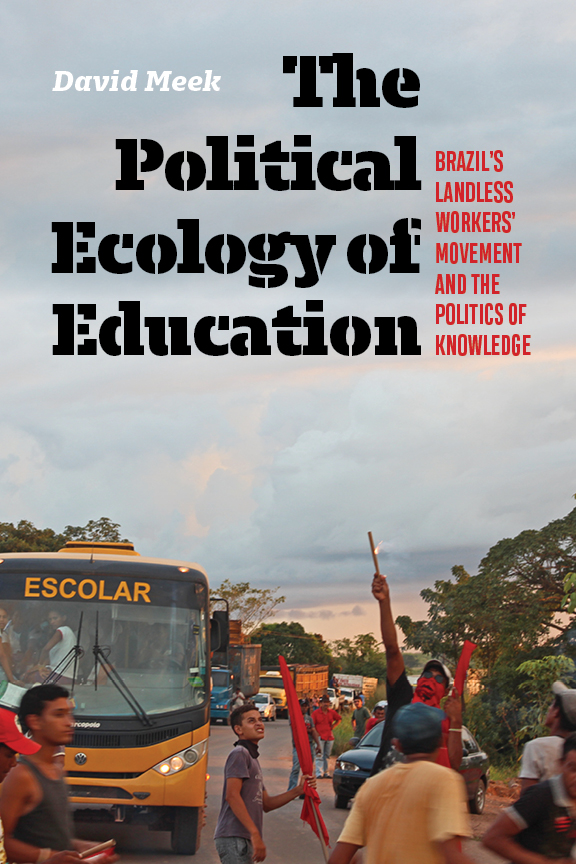
The Political Ecology of Education: Brazil's Landless Worker's Movement and the Politics of Knowledge

The Political Ecology of Education cover


David Meek

November 2020
252pp
PB 978-1-949199-76-5
$28.99
eBook 978-1-949199-77-2
$28.99

Radical Natures Series

The Political Ecology of Education

Brazil’s Landless Workers’ Movement and the Politics of Knowledge

Summary

Agrarian social movements are at a crossroads. Although these movements have made significant strides in advancing the concept of food sovereignty, the reality is that many of their members remain engaged in environmentally degrading forms of agriculture, and the lands they farm are increasingly unproductive. Whether movement farmers will be able to remain living on the land, and dedicated to alternative agricultural practices, is a pressing question.

The Political Ecology of Education examines the opportunities for and constraints on advancing food sovereignty in the 17 de Abril settlement, a community born out of a massacre of landless Brazilian workers in 1996. Based on immersive fieldwork over the course of seven years, David Meek makes the provocative argument that critical forms of food systems education are integral to agrarian social movements’ survival. While the need for critical approaches is especially immediate in the Amazon, Meek’s study speaks to the burgeoning attention to food systems education at various educational levels worldwide, from primary to postgraduate programs. His book calls us to rethink the politics of the possible within these pedagogies.

Contents

Acknowledgments

Part I: Conceptions of the World

1. It Wasn’t Supposed to Be This Way

2. The Struggle on the Land

3. Space Wasn’t Easy

4. To Stay, or to Leave?

Interlude

Part II: Terrain of Ideologies

5. Communities of Praxis

6. Fences around Knowledge

7. Learning through Movement

8. Revisiting Territory

Epilogue

Notes
References
Index

Author

David Meek is an environmental anthropologist, critical geographer, and food systems education scholar with area specializations in Brazil and India. He is assistant professor of global studies at the University of Oregon.

Reviews

The Political Ecology of Education is a revelation. By focusing our attention on the role of critical food systems pedagogy in enacting food sovereignty in the most important social movement in the world, David Meek’s book offers a new and vital contribution to political ecology and agrarian studies.”
Bradley Wilson, West Virginia University

“This extraordinary book is about nothing less than survival: the survival of workers, communities, and the landscapes that they call home in the Brazilian Amazon. Meek weaves together beautifully written ethnography with a brilliant analysis of agricultural political ecologies. This is a must-read for all of us who care about rural communities and sustainable futures.”
Paige West, Columbia University 

EmailFacebookInstagramPinterestTwitter

Ungrading: Why Rating Students Undermines Learning (and What to Do Instead)

Ungrading cover

Edited by Susan D. Blum
With a foreword by Alfie Kohn

December 2020
272pp
PB 978-1-949199-82-6
$26.99
CL 978-1-949199-81-9
$99.99
eBook 978-1-949199-83-3
$26.99

Teaching and Learning in Higher Education Series

Ungrading

Why Rating Students Undermines Learning (and What to Do Instead)

Summary

The moment is right for critical reflection on what has been assumed to be a core part of schooling. In Ungrading, fifteen educators write about their diverse experiences going gradeless. Some contributors are new to the practice and some have been engaging in it for decades. Some are in humanities and social sciences, some in STEM fields. Some are in higher education, but some are the K–12 pioneers who led the way. Based on rigorous and replicated research, this is the first book to show why and how faculty who wish to focus on learning, rather than sorting or judging, might proceed. It includes honest reflection on what makes ungrading challenging, and testimonials about what makes it transformative.

CONTRIBUTORS:
Aaron Blackwelder
Susan D. Blum
Arthur Chiaravalli
Gary Chu
Cathy N. Davidson
Laura Gibbs
Christina Katopodis
Joy Kirr
Alfie Kohn
Christopher Riesbeck
Starr Sackstein
Marcus Schultz-Bergin
Clarissa Sorensen-Unruh
Jesse Stommel
John Warner


Receive a 30% discount on orders of 10 or more copies of this title with code HIGHEREDBULK30 at checkout.

Contents

Foreword
Alfie Kohn

Introduction: Why Ungrade? Why Grade?
Susan D. Blum

Part I: Foundations and Models

1. How to Ungrade
Jesse Stommel

2. What Going Gradeless Taught Me about Doing the “Actual Work”
Aaron Blackwelder

3. Just One Change (Just Kidding): Ungrading and Its Necessary Accompaniments
Susan D. Blum

4. Shifting the Grading Mindset
Starr Sackstein

5. Grades Stifle Student Learning. Can We Learn to Teach without Grades?
Arthur Chiaravalli

Part II: Practices

6. Let’s Talk about Grading
Laura Gibbs

7. Contract Grading and Peer Review
Christina Katopodis and Cathy N. Davidson

8. Critique-Driven Learning and Assessment
Christopher Riesbeck

9. A STEM Ungrading Case Study: A Reflection on First-Time Implementation in Organic Chemistry II
Clarissa Sorensen-Unruh

10. The Point-less Classroom: A Math Teacher’s Ironic Choice in Not Calculating Grades
Gary Chu

Part III: Reflections

11. Grade Anarchy in the Philosophy Classroom
Marcus Schultz-Bergin

12. Conference Musings and The G Word
Joy Kirr

13. Wile E. Coyote, the Hero of Ungrading
John Warner

Conclusion: Not Simple but Essential
Susan D. Blum

Acknowledgments
Contributors
Index


Editor

Susan D. Blum is professor of anthropology at the University of Notre Dame. Her work on education builds on her academic specialties of linguistic, psychological, cultural, and educational anthropology. She is the author of My Word! Plagiarism and College Culture and “I Love Learning; I Hate School”: An Anthropology of College, among other works.

Reviews

“I love this book. It undermines the mythology around grading, helping us understand that (a) grading is a construction, and a relatively recent one at that, and (b) we’d be better off without it—as would our students.”
Paul Hanstedt, author of Creating Wicked Students: Designing Courses for a Complex World

“Nuanced and well balanced.”
Choice Reviews

EmailFacebookInstagramPinterestTwitter